Introduction
The digital transformation of healthcare has accelerated dramatically, placing Telehealth at the forefront of modern medicine. The ability to connect patients with providers remotely is no longer a novelty but a necessity, offering unprecedented convenience, accessibility, and efficiency. However, the path to launching a successful Telehealth application is fraught with challenges. From navigating the labyrinth of regulatory compliance like HIPAA and GDPR to engineering a secure, scalable, and intuitive platform, the development process is far more complex than it appears. Many organizations underestimate the technical expertise, resources, and strategic foresight required, leading to budget overruns, delayed launches, and platforms that fail to meet user needs.
This article serves as a comprehensive guide to custom Telehealth app development. We will demystify the process by exploring what a Telehealth app entails, the inherent difficulties of in-house development, and the compelling reasons to opt for a custom-built solution. Furthermore, we will provide a detailed breakdown of the potential costs and introduce you to the top development companies capable of turning your vision into a reality.
As a leading US-based AI-powered app development firm with over 20 years of experience and more than 100 successful apps launched, we at metacto understand these challenges intimately. We specialize in transforming complex ideas into market-ready applications that are not only technologically robust but also drive user engagement and growth. Throughout this guide, we will share insights gleaned from our extensive experience to help you make informed decisions and set your Telehealth venture on a course for success.
What is a Telehealth App?
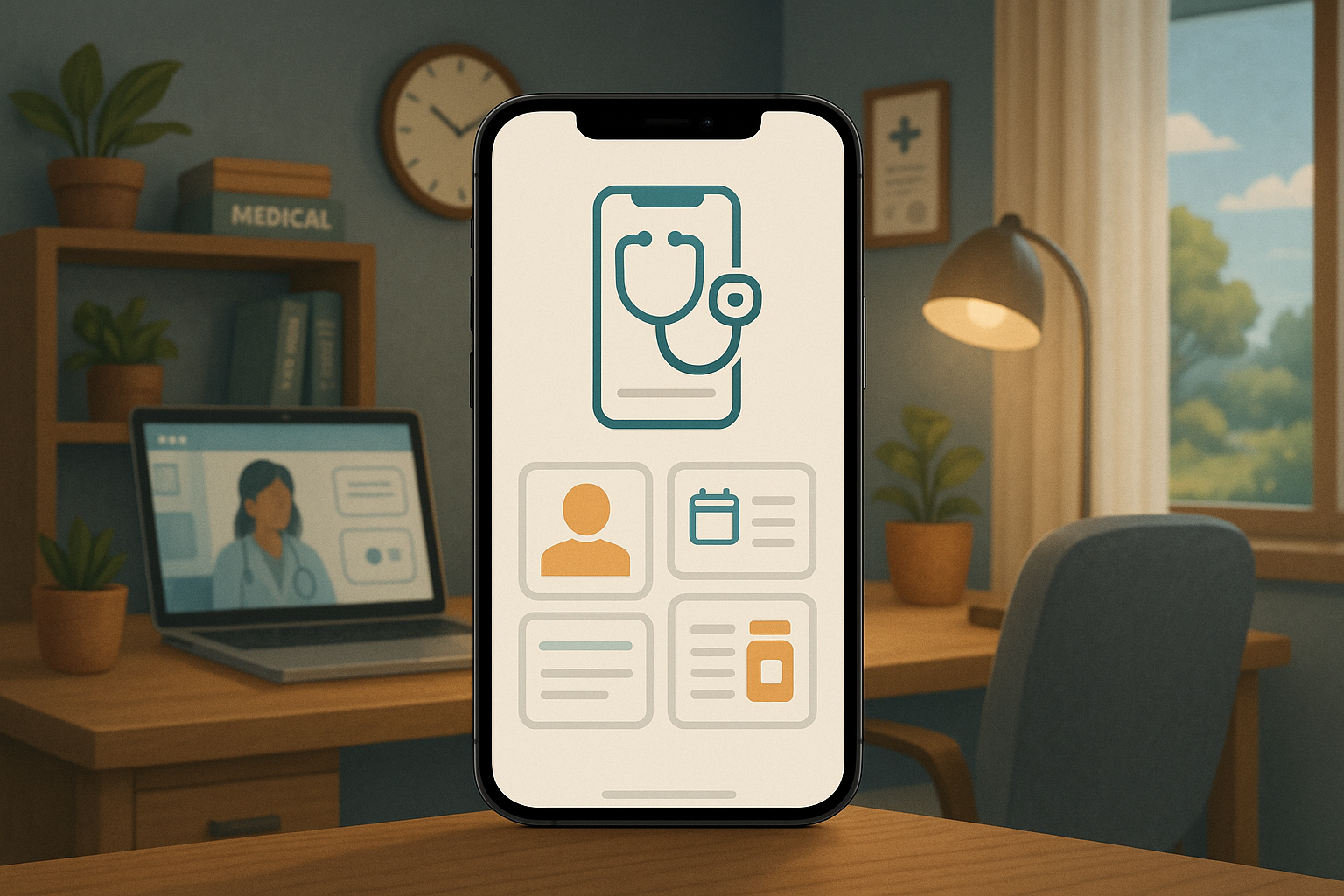
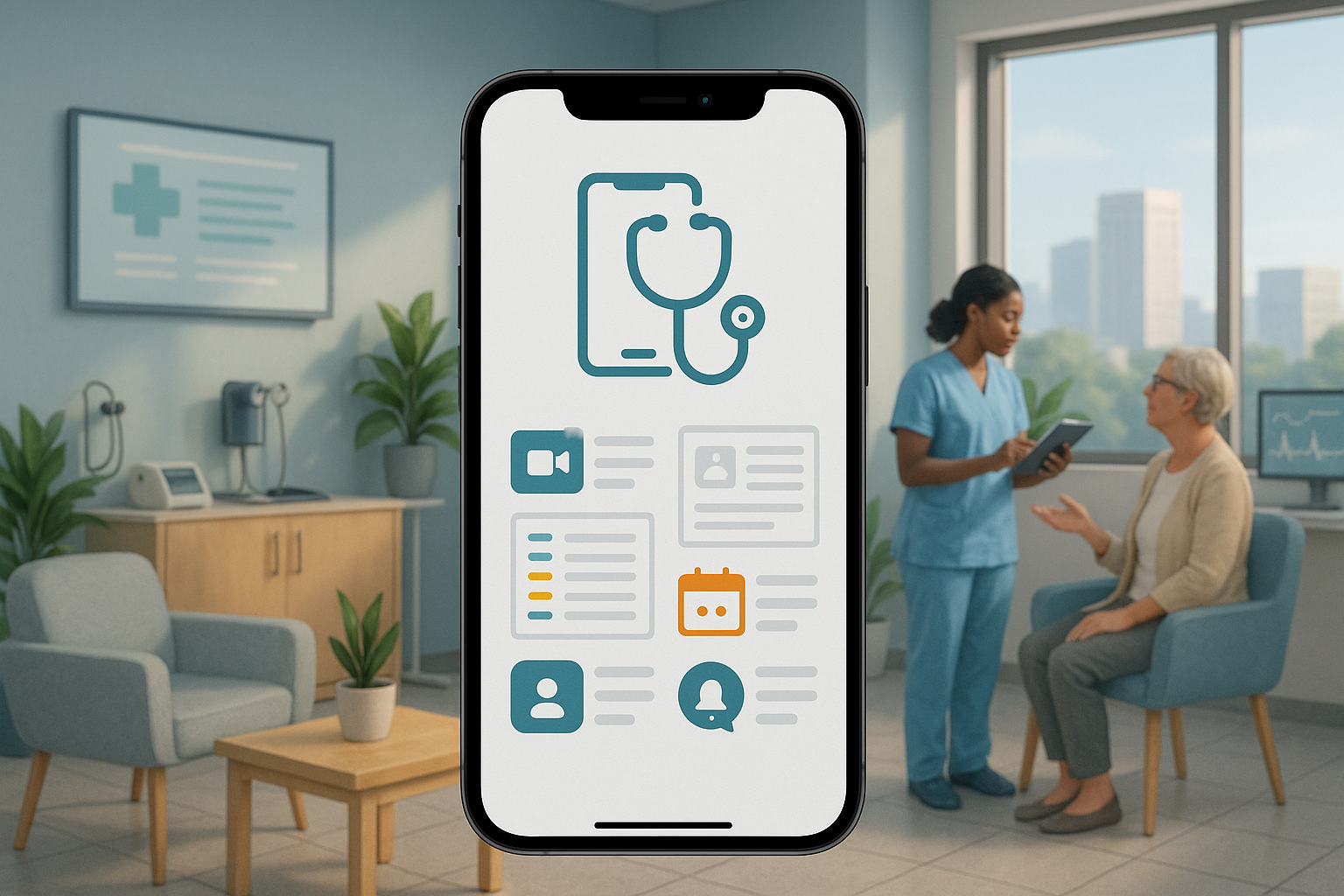
At its core, a Telehealth app is a digital platform that uses communication technologies to deliver healthcare services remotely. While often synonymous with live video consultations between a patient and a doctor, the scope of Telehealth is significantly broader. A comprehensive Telehealth solution is an ecosystem designed to replicate and enhance various aspects of the traditional healthcare experience in a virtual environment.
These applications can encompass a wide range of functionalities, including:
- Secure Video and Audio Calls: The foundational feature for real-time, face-to-face consultations.
- Secure Messaging: Asynchronous communication for follow-up questions, prescription refills, and non-urgent inquiries.
- E-Prescribing (eRx): Enabling clinicians to electronically send prescriptions directly to a patient’s preferred pharmacy.
- Appointment Scheduling and Management: Intuitive calendars for patients to book, reschedule, or cancel appointments.
- Patient Health Records (PHR) Integration: Secure access to medical history, lab results, and treatment plans.
- Remote Patient Monitoring (RPM): Integration with IoT devices (like smartwatches, glucose monitors, or blood pressure cuffs) to track patient vitals in real-time.
- Billing and Payment Processing: Secure, integrated payment gateways for handling consultations and services.
The industry reflects this diversity. Companies like Mobisoft Infotech and Zco Corporation focus on developing telemedicine apps, while firms such as GoodWorkLabs and The NineHertz build broader telemedicine platforms and solutions. Major players like Cognizant have undertaken large-scale projects, such as a nationwide telehealth platform for a major insurance provider, demonstrating the scalability required. Similarly, Appinventiv has developed platforms connecting patients with specialists across multiple countries, highlighting the global reach of these technologies. From the focused solutions of Experion Technologies to the extensive project history of ScienceSoft, which has completed over 150 healthcare IT projects, it’s clear that a “Telehealth app” is a versatile and powerful tool for modern healthcare delivery.
Reasons It Is Difficult to Develop a Telehealth App In-House
Embarking on Telehealth app development with an internal team can seem like a cost-effective and controlled approach. However, this path is often riddled with hidden complexities and significant risks that can derail a project. Building a successful Telehealth platform requires a unique confluence of specialized skills that most in-house teams, even talented ones, do not possess.
1. Navigating a Strict Regulatory Landscape
The single greatest challenge is ensuring compliance with stringent healthcare regulations. In the United States, the Health Insurance Portability and Accountability Act (HIPAA) governs the privacy and security of protected health information (PHI). In Europe, the General Data Protection Regulation (GDPR) imposes its own strict data handling rules. Adherence is non-negotiable, and violations can result in crippling fines and reputational damage.
Achieving compliance is not a simple checklist item; it involves a deep understanding of legal requirements and their technical implementation. This includes:
- Substantial legal and licensing expenses.
- Regular compliance audits and security certifications.
- Ongoing legal consultations to stay abreast of evolving regulations.
An in-house team without specific, demonstrable experience in healthcare compliance is at a significant disadvantage, risking critical missteps that could prove catastrophic.
2. Overcoming Immense Technical and Security Hurdles
A Telehealth app handles some of the most sensitive data imaginable. The technical architecture must be built from the ground up with security as its cornerstone. This goes far beyond standard app development practices.
- Infrastructure: The app requires robust cloud hosting with specific configurations for security, data backups, and redundancy solutions to ensure high availability. As user traffic increases, these infrastructure costs can escalate quickly.
- Data Security: All data, whether at rest or in transit, must be encrypted using industry-best standards. This includes video streams, chat messages, and patient records.
- Third-Party Integrations: Integrating with external systems like e-prescription services or medical databases introduces additional complexity and potential security vulnerabilities. These integrations often come with their own licensing fees, adding to the overall expenditure.
An experienced agency like ours has already vetted and implemented secure, HIPAA-compliant technology stacks and infrastructure, saving you the time and risk of building from scratch.
3. The Prohibitive Cost and Resource Drain
The financial investment for an in-house team often exceeds expectations. According to industry data, the estimated cost to develop a Telehealth app with an in-house team is $150,000 to $180,000. This figure often doesn’t account for the full scope of overhead.
Building a full-fledged development team from scratch is a massive undertaking. You need:
- UI/UX Designers
- iOS Developers
- Android Developers
- Backend Engineers
- Quality Assurance (QA) Testers
- A Project Manager
- A DevOps Engineer
- A Compliance Expert
Recruiting, training, and managing such a team is a significant financial and operational burden. Furthermore, the development lifecycle is filled with hidden costs, including continuous maintenance, security updates, bug fixes, and feature enhancements—all of which are recurring and unavoidable expenses. Outsourcing to an experienced development agency in a cost-effective region can offer high-quality results at a fraction of the cost.
Why Custom App Development for Telehealth?
While off-the-shelf, white-label Telehealth solutions exist, they often present a false economy. Their rigid structures and limited feature sets can stifle growth and fail to meet the unique needs of a healthcare organization. Custom development, while a more significant initial investment, provides the flexibility, scalability, and competitive edge necessary for long-term success.
Tailored to Your Unique Clinical Workflows
Every healthcare practice, hospital, or wellness company has specific workflows, patient journeys, and business models. A custom-built application can be meticulously designed to mirror and enhance these processes, rather than forcing your team to adapt to a generic system. This leads to greater efficiency for providers and a more seamless, intuitive experience for patients.
Scalability and Future-Proofing
Your Telehealth platform should grow with your organization. A custom solution is built on a scalable architecture, allowing you to start with a Minimum Viable Product (MVP) and incrementally add more advanced features, support more users, and expand into new service lines without being constrained by a third-party vendor’s roadmap. Whether you plan to incorporate AI-driven diagnostics or expand to support thousands of concurrent video streams, a custom foundation is essential.
Seamless Integration and Control
Custom development provides full control over your technology stack. This enables seamless integration with your existing Electronic Health Record (EHR) systems, billing software, patient portals, and other critical infrastructure. You are not locked into a proprietary ecosystem. This control also extends to data ownership and security protocols, making it far easier to ensure and demonstrate regulatory compliance.
A Powerful Competitive Advantage
In a rapidly growing market, differentiation is key. A custom Telehealth app allows you to create a unique brand identity and a superior user experience. You can innovate by introducing unique features—like AI-powered symptom checkers or personalized wellness plans—that set you apart from competitors relying on cookie-cutter solutions. This investment in a bespoke user experience directly translates into higher patient adoption, engagement, and retention.
Cost Estimate for Developing a Telehealth App
Determining the cost of a custom Telehealth app requires understanding the various factors that influence the final price. The development cost is not a single number but a range dependent on the project’s scope and complexity. The total cost is a function of the total development hours multiplied by the hourly rate of the developers.
A custom Telehealth app’s development can range from $40,000 to over $300,000. Let’s break down this range and the key factors that drive the cost.
Cost by App Complexity
The primary cost driver is the app’s feature set and overall complexity. The more features and functionalities integrated into the app, the higher the associated cost.
| App Complexity | Typical Features & Scope | Estimated Cost Range |
|---|---|---|
| Simple / MVP | Basic patient/doctor profiles, text chat, appointment scheduling, simple UI/UX, one platform (iOS or Android). An MVP often costs $40,000 or more. | $40,000 - $100,000 |
| Medium Complexity | All simple features plus HD video calls, e-prescription integration, custom UI/UX, and a basic admin panel. | $70,000 - $100,000 |
| Highly Complex | All medium features plus EHR/EMR integration, AI-powered features, remote patient monitoring, custom payment models, support for multiple platforms (web, iOS, Android). | $100,000 - $300,000+ |
Key Cost Factors
Beyond the feature set, several other variables significantly impact the budget.
1. Platform Choice (iOS, Android, Web)
Developing separate native apps for both iOS and Android can be costly. While Android app development can sometimes be more expensive due to the wider range of devices that require testing, building for both platforms doubles the effort. A cost-effective alternative is to use cross-platform frameworks like Flutter or React Native, which can reduce development time, maintenance efforts, and overall expenses by using a single codebase.
2. Development Team Type and Location
The structure and location of your development team are among the most significant cost determinants. Hiring an in-house team in a high-cost region can quickly strain a budget.
Cost by Team Type:
| Team Type | Estimated Project Cost |
|---|---|
| Freelancers | $35,000 - $40,000 |
| Outsourced App Development Company | $65,000 - $80,000 |
| In-House Team | $150,000 - $180,000 |
| Local App Development Company | $200,000 - $230,000 |
Cost by Team Location (Hourly Rates Vary):
| Region | Estimated Project Cost |
|---|---|
| Asia | $50,000 - $300,000 |
| Eastern Europe | $70,000 - $100,000 |
| Western Europe | $140,000 - $160,000 |
| Australia | $150,000 - $155,000 |
| UK | $190,000 - $200,000 |
| United States | $190,000 - $250,000 |
As shown, outsourcing to experienced teams in cost-effective areas like Eastern Europe can offer a balance of high-quality results and reduced costs.
3. Hidden and Ongoing Costs
Initial development is only part of the total investment. It is crucial to budget for recurring expenses throughout the app’s lifecycle:
- Maintenance and Upgrades: Regular updates to fix bugs, enhance security, and add new features are unavoidable.
- Cloud Hosting and Infrastructure: Costs for servers, storage, and bandwidth from providers like AWS or Google Cloud will grow with your user base.
- Third-Party Services: Licensing fees for integrations like payment gateways, e-prescription systems, or medical databases add to the expenditure.
- Marketing and User Acquisition: A significant, ongoing financial commitment is required to attract and retain users through SEO, paid advertising, and other marketing efforts.
- Regulatory Compliance: Ongoing costs for audits, certifications, and legal consultations are necessary to maintain compliance.
Top Telehealth App Development Companies
Choosing the right development partner is the most critical decision you will make. You need a team with proven technical expertise, a deep understanding of the healthcare domain, and a track record of launching successful, compliant applications. Here are some of the top companies in the space.
1. metacto
As a premier US-based mobile app development agency, we specialize in building complex, AI-powered applications that solve real-world problems. With over 20 years of experience and more than 100 apps launched, we offer the strategic and technical leadership needed to navigate the complexities of Telehealth development. Our 5.0-star rating on Clutch reflects our commitment to delivering exceptional results.
What sets us apart is our deep expertise in artificial intelligence, which can transform a standard Telehealth app into an intelligent health platform. We can leverage our AI development capabilities to build features like AI-powered content recommendations for patient wellness, as we did for Mamazen, or intelligent conversation analyzers, similar to our work with Bond. For a Telehealth app, this could translate to diagnostic support tools for clinicians or personalized health insights for patients. Our 90-day MVP service is designed to get your product to market quickly and efficiently, allowing you to test your concept and gather user feedback before committing to a full-scale build.
2. Zco Corporation
Zco Corporation lists telemedicine apps among its key services, indicating its experience in developing solutions for remote healthcare delivery.
3. Cognizant
A global technology leader, Cognizant’s recent work includes developing a nationwide telehealth platform for a major insurance provider, showcasing its ability to handle large-scale, enterprise-level healthcare projects.
4. GoodWorkLabs
GoodWorkLabs is recognized for its work on telemedicine platforms, positioning itself as a key service provider in the custom Telehealth space.
5. Appinventiv
Appinventiv’s key services include telemedicine apps. A notable project in their portfolio is a telemedicine platform designed to connect patients with specialists across multiple countries, demonstrating their capability in building cross-border healthcare solutions.
6. Mobisoft Infotech
Identified as being best for telemedicine apps, Mobisoft Infotech frequently includes telemedicine platforms within its healthcare solutions portfolio.
7. The NineHertz
The NineHertz has direct experience working on telemedicine platforms and lists telemedicine solutions as one of its key service offerings.
8. ScienceSoft
With an impressive track record of over 150 completed healthcare IT projects, ScienceSoft’s experience includes the development of telehealth platforms.
9. Experion Technologies
Experion Technologies includes telemedicine platforms within its portfolio, signaling its competency and experience in the telehealth development sector.
Conclusion
Developing a custom Telehealth application is a significant undertaking, but one that holds immense potential to revolutionize healthcare delivery, improve patient outcomes, and create new business opportunities. As we’ve explored, the journey is complex, demanding a deep understanding of regulatory compliance, robust security architecture, and a user-centric design philosophy. While the costs can be substantial, a strategic approach focused on custom development provides the flexibility, scalability, and competitive differentiation necessary for long-term success.
This guide has walked you through the critical aspects of the process—from defining the scope of a Telehealth app and understanding the pitfalls of in-house development to breaking down the costs and identifying top development partners. The key takeaway is that success in this space requires more than just code; it requires an expert partner who can provide strategic guidance, navigate technical hurdles, and transform your vision into a secure, compliant, and engaging platform.
Navigating this intricate landscape alone is a risk. Partnering with a team that has been there before can be the difference between a stalled project and a market-leading application.
Ready to build the future of healthcare? Talk with a Telehealth app development expert at metacto today to discuss your vision and get a clear roadmap for success.