Introduction
Developing a custom mobile wallet application is a formidable task, fraught with challenges that span stringent security requirements, complex regulatory landscapes, and the ever-present need for a seamless user experience. For many businesses, the ambition to create a bespoke financial tool is quickly tempered by the immense technical and operational hurdles. In-house teams, even talented ones, often lack the specialized FinTech expertise required to navigate this intricate domain, leading to costly delays, security vulnerabilities, and products that fail to gain user trust.
This article serves as a comprehensive guide to custom mobile wallet app development. We will explore what a mobile wallet is, dissect the significant difficulties of building one in-house, and make the case for why a custom development approach is superior. We’ll also break down the different types of wallet apps, provide a detailed cost estimate, and introduce you to the leading development companies that can turn your vision into a reality.
As a top US AI-powered app development firm with over two decades of experience, we at metacto have launched over 100 applications, helping clients build, grow, and monetize their digital products. We understand the nuances of creating secure, scalable, and user-centric financial applications. Throughout this guide, we will share insights on how partnering with an expert agency like ours can help you overcome the challenges and build a successful mobile wallet app.
What is a Mobile Wallet App?
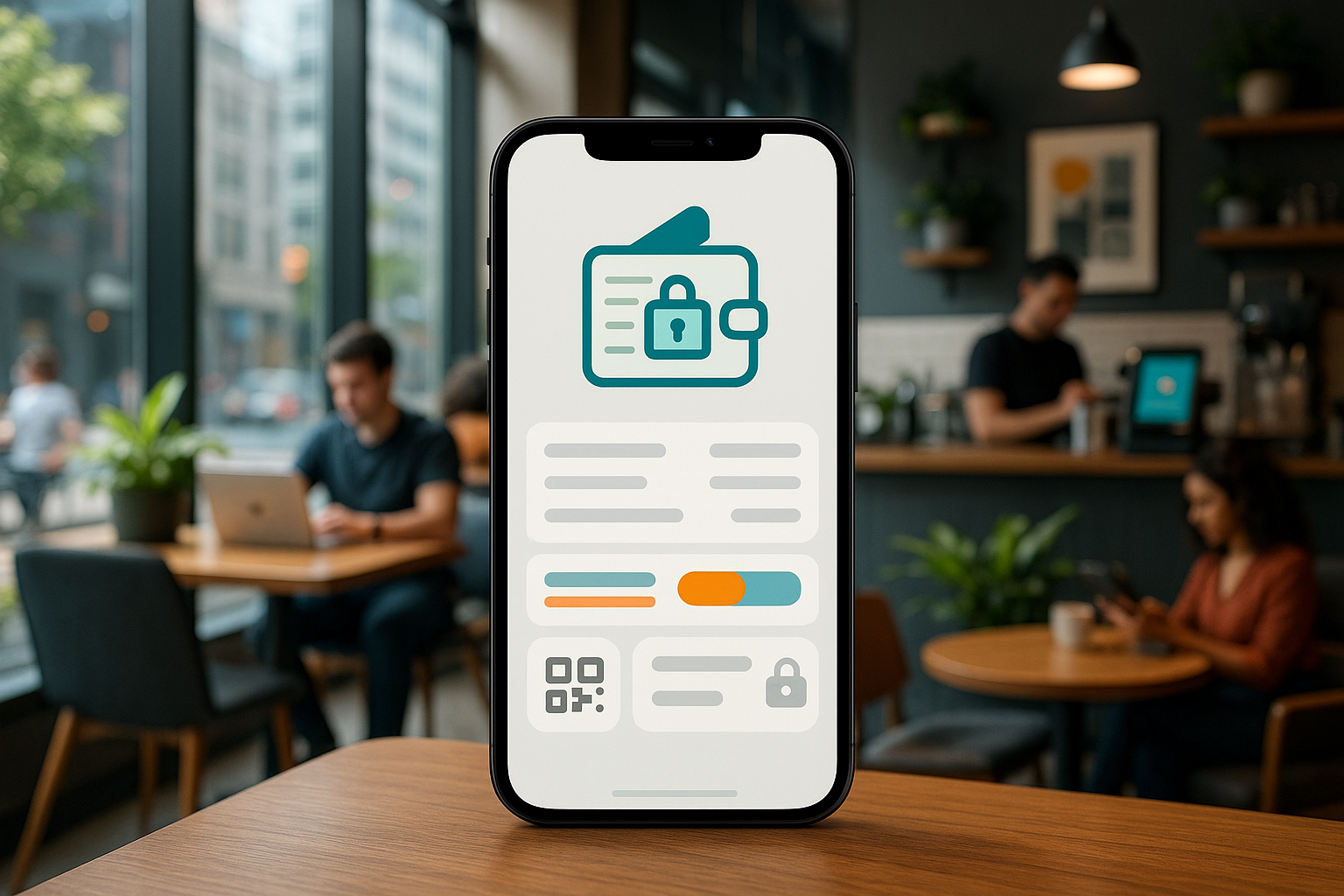
A mobile wallet is an application that allows users to store, manage, and transact with various forms of digital payments using a mobile device. At its core, it enables users to save credit card, debit card, and loyalty card information digitally. This centralization of financial data allows users to make purchases, transfer money, and pay bills without having to repeatedly enter their payment details for each transaction, offering a frictionless experience.
Beyond these fundamental capabilities, mobile wallet apps often provide additional features that enhance their value to users. These can include loyalty programs, exclusive discounts, and digital coupons, transforming the app from a simple payment tool into a comprehensive financial companion. Whether it’s a peer-to-peer (P2P) payment app for sending money to friends, a mobile banking app for managing accounts, or a cryptocurrency wallet for handling digital assets, the goal is to provide a secure and convenient hub for a user’s financial life.
Reasons It Is Difficult to Develop a Mobile Wallet App In-House
Embarking on mobile wallet development with an in-house team can seem like a cost-effective strategy, but it often conceals a minefield of challenges that require deep, specialized knowledge. These hurdles extend far beyond standard app development and can easily derail a project.
Security and Regulatory Compliance
The single greatest challenge is the intricate balance between robust security and user convenience. Financial applications are prime targets for fraud and data breaches. Preventing these threats is non-negotiable and requires sophisticated security measures. However, overly cumbersome security protocols can frustrate users and lead to app abandonment. Finding that perfect equilibrium is a significant challenge.
Furthermore, the FinTech space is governed by a complex and constantly evolving web of regulatory requirements. Adherence to standards like the General Data Protection Regulation (GDPR), Payment Card Industry Data Security Standard (PCI-DSS), and the Second Payment Services Directive (PSD2) is mandatory. Keeping up with these changes and ensuring your app remains compliant requires a dedicated legal and technical effort that is often beyond the scope of a generalist in-house team.
User Experience and Technical Performance
A mobile wallet’s success hinges on its user interface. The challenge lies in designing an interface that is both simple enough for a novice to navigate yet rich enough in features to satisfy a power user. It’s a delicate dance to avoid feature overload, which can confuse and overwhelm users, while still providing the advanced functionalities they expect. Catering to diverse user demographics, each with different technical skills and financial needs, adds another layer of complexity to the design process.
From a technical standpoint, performance is paramount. Users expect quick loading speeds and seamless, instantaneous transactions. As advanced functionalities are integrated, maintaining this level of performance becomes increasingly difficult. The app’s infrastructure must be robust enough to manage high transaction volumes, especially during peak times, and scalable enough to grow without experiencing downtime. Ensuring compatibility across a wide array of devices and platforms further complicates the development and testing process.
Trust, Integration, and Support
Beyond the technical aspects, there’s a significant psychological barrier to overcome: user skepticism about digital financial services. Building trust requires absolute transparency in fee structures and terms of service, as well as providing reliable, accessible customer support.
Integrating a wallet app with existing financial systems presents another major challenge. Whether connecting to banking networks, payment gateways, or third-party services, ensuring seamless compatibility is crucial for functionality. Each integration point is a potential source of failure, requiring meticulous planning and execution.
Why Custom App Development for Mobile Wallets is the Smart Choice
Given the substantial challenges, partnering with a specialized mobile app development agency like metacto is not just an alternative—it’s a strategic advantage. An expert firm brings a wealth of experience and resources that an in-house team typically cannot match.
Deep Expertise and Risk Mitigation
Experienced mobile app development teams have worked on similar projects and intimately understand the common pitfalls and complexities of FinTech. They have encountered and solved issues related to security, compliance, and scalability in prior projects and possess efficient strategies for handling them. This expertise is critical in minimizing the risk of errors, bugs, and technical problems that can delay a project and drive costs upward. A well-experienced firm knows the technical nitty-gritty, foresees potential problems, selects the appropriate tools and technologies, and implements best practices to significantly reduce the risk of costly rework.
Efficiency in Time and Cost
Outsourcing to a professional development company almost always results in a faster, cheaper, and better product. Agencies can build an app faster because they aren’t starting from scratch; they already have established communication channels, project management tools, and QA processes that ensure a smooth development experience. This efficiency translates directly into cost savings. Experienced companies provide accurate cost and time estimates upfront, sticking to these budgets to avoid surprises. Their refined development cycle wastes very little time and resources, delivering maximum value for your investment.
Structured Management and Comprehensive Services
A key benefit of hiring an agency is access to a dedicated project manager. This individual handles everything from initial planning to final launch, setting timelines, managing budgets, and coordinating the team. They act as your main point of contact, providing regular updates and addressing concerns, which frees you to focus on your core business. This structured approach, often using methodologies like Agile or Waterfall, ensures smooth collaboration and drastically reduces the risk of miscommunication and delays.
Furthermore, a professional firm provides an end-to-end solution—a perfect merger of design, functionality, and quality assurance. This includes ongoing maintenance and support to keep your app relevant, functional, and secure long after launch. They manage bug fixes, performance issues, and OS updates, ensuring a consistently positive user experience.
Access to Innovation and Technology
Mobile app development companies spend considerable resources staying at the forefront of mobile technology. They have a deep understanding of what works, what doesn’t, and what’s trending. They can guide you on when to use native development for optimal performance versus when a cross-platform approach is more cost-effective. This access to emerging technologies and a broad perspective gained from working across various industries can stimulate innovation and help you identify opportunities to create a truly competitive app.
By outsourcing, you assign the technical tasks to experts, allowing your in-house team to concentrate on core competencies like revenue generation and customer acquisition. This not only boosts productivity and efficiency but also improves employee morale, as your team can focus on work they are naturally suited for.
Different Types of Mobile Wallet Apps
The mobile wallet ecosystem is diverse, with several types of applications tailored to specific user needs and use cases. Understanding these categories can help you define the focus of your own custom app.
- Peer-to-Peer (P2P) Payment Apps: These apps are designed for individuals to send and receive money directly to and from one another using their mobile devices. They link to a user’s bank account or card and facilitate simple, quick transfers between friends, family, or for small business transactions.
- Mobile Banking Apps: Provided by financial institutions, these wallets allow users to access their bank accounts directly. Users can perform a wide range of transactions, such as checking balances, paying bills, and transferring money, all from their mobile devices.
- Retail Store Mobile Wallets: These apps are created by specific retail stores to enhance customer loyalty. Users can store loyalty card information, coupons, and other promotional materials. They often facilitate in-store payments and provide businesses with valuable insights into customer behavior, such as purchase history and spending patterns.
- Cryptocurrency Wallets: Designed for the burgeoning world of digital assets, these wallets allow users to securely store and manage their cryptocurrency holdings. They are essential for anyone engaging in buying, selling, or trading cryptocurrencies.
Cost Estimate for Developing a Mobile Wallet App
Estimating the development cost for a mobile wallet app without detailed project specifications is challenging, as the final price tag is influenced by numerous factors. However, we can provide a structured overview of potential costs based on complexity, platform, features, and team structure. The average cost to develop an e-wallet app ranges from $15,000 to over $100,000.
Cost by App Complexity
The single largest factor affecting cost is the app’s complexity, which encompasses its features, design, and underlying technology.
| Complexity Level | Key Characteristics | Estimated Cost |
|---|---|---|
| Simple (MVP) | Basic functionality, standard UI | $15,000 – $50,000 |
| Medium Complex | Sophisticated features, custom UI | $35,000 – $70,000 |
| Highly Complex | Advanced features, bespoke UI, multiple platforms | $50,000 – $100,000+ |
Cost by Development Platform
The choice of platform—whether you build for iOS, Android, or both—significantly impacts the budget.
| Platform | Estimated Cost |
|---|---|
| Web App | $20,000 – $35,000 |
| Cross-Platform | $30,000 – $50,000 |
| Native (iOS or Android) | $40,000 – $70,000 |
| Hybrid App | $25,000 – $75,000 |
Cost by Features
Every feature adds to the development timeline and cost. Basic features are relatively inexpensive, while advanced ones require more investment.
| Feature | Estimated Cost |
|---|---|
| User Registration | $5,000 – $8,000 |
| User Authentication | $8,000 – $12,000 |
| Wallet Management | $15,000 – $20,000 |
| Transaction History | $8,000 – $12,000 |
| Notifications | $5,000 – $8,000 |
| Security Features | $15,000 – $20,000 |
| Payment Integration | $15,000 – $20,000 |
| Admin Dashboard | $10,000 – $15,000 |
| QR Code Payments | $4,000 – $6,000 |
| NFC Payments | $5,000 – $8,000 |
| Peer-to-Peer Transfers | $10,000 – $15,000 |
| Virtual Cards | $10,000 – $15,000 |
| Cryptocurrency Support | $12,000 – $18,000 |
| Advanced Security Measures | $10,000 – $15,000 |
Cost by Development Team Model and Location
Who you hire and where they are located are major cost determinants. Outsourcing is typically more cost-effective than building an in-house team.
| Role | In-house (Onshore/US) | Outsourcing (Offshore) |
|---|---|---|
| Junior Developer | $30 – $50 / hour | $10 – $20 / hour |
| Mid-Level Developer | $50 – $80 / hour | $20 – $30 / hour |
| Senior Developer | $80 – $100 / hour | $30 – $40 / hour |
| Lead Developer/Architect | $100 – $150+ / hour | $40 – $60+ / hour |
Developer rates also vary significantly by region. For example, a senior developer in the United States may cost $80–$100+ per hour, while a developer with similar experience in India could cost $16–$20+ per hour.
How to Reduce Development Costs
- Create a Product Requirement Document (PRD): A detailed PRD eliminates ambiguity and reduces errors, saving costs down the line.
- Prioritize Features: Start with an MVP (Minimum Viable Product) containing only essential features to test market viability at an affordable price.
- Employ Cross-Platform Development: Building one app that works on both iOS and Android can save a large chunk of your budget compared to developing two separate native apps.
- Involve QA Early: Integrating quality assurance from the beginning helps catch severe issues early, preventing costly fixes later.
Top Mobile Wallet App Development Companies
Choosing the right development partner is crucial for the success of your project. Here are some of the top companies in the space.
1. metacto
As a US-based firm with over 20 years of experience, we at metacto specialize in building, growing, and monetizing custom mobile applications. Having launched over 100 apps, we bring a wealth of knowledge to every project, particularly in complex domains like FinTech. Our expertise in AI development allows us to integrate intelligent features like personalized recommendations and fraud detection to create truly innovative and secure mobile wallets. We pride ourselves on our 90-day MVP service, which is the fastest way to go from an idea to a market-ready app. Our process is built on a foundation of strategic consulting, research-driven design, and iterative development, ensuring we deliver a polished, bug-free product that aligns perfectly with your vision and scales for future growth.
2. SDK.finance
SDK.finance is a European FinTech software development company founded in 2013. With over 15 years of hands-on experience, their team of 50+ experts specializes in creating customized, high-performance financial applications for banks, startups, and enterprises. They have a strong track record of building digital wallets, payment processing tools, and currency exchange apps that comply with local regulations across the US, Europe, and the MENA region. SDK.finance offers a pre-developed FinTech platform with over 470 APIs and 60+ modules that can support up to 2,700 transactions per second, serving as a powerful foundation for building PayTech products quickly. Their work includes participation in cutting-edge innovation programs, such as a central bank digital currency (CBDC) project led by Barclays.
3. Nimble AppGenie
Since its founding in 2017, Nimble AppGenie has successfully delivered over 350 projects, establishing a global presence and achieving a 97% client satisfaction rate. This FinTech app development company specializes in creating cutting-edge solutions for industries including eWallet, loan lending, and BNPL (Buy Now, Pay Later). Nimble AppGenie’s expertise spans Android and iOS development, custom app solutions, and comprehensive support, making them a versatile partner for businesses looking to enter the mobile wallet market.
Conclusion
Developing a custom mobile wallet app is a complex but rewarding endeavor. The journey is filled with challenges, from navigating stringent security and regulatory standards to designing a user-friendly interface and building a scalable technical architecture. While developing in-house is an option, the immense difficulties often make it impractical.
As we’ve explored, partnering with an experienced development agency like metacto offers a strategic path to success. A specialized firm provides the deep expertise, structured project management, and access to advanced technology needed to mitigate risks, control costs, and accelerate time-to-market. By understanding the different types of wallet apps and the various factors that influence development costs, you can make informed decisions and lay a solid foundation for your project.
Building a secure, reliable, and engaging mobile wallet requires more than just code; it requires a partner who understands the FinTech landscape. If you’re ready to create a financial application that resonates with users and achieves your business goals, the next step is to talk with an expert.
Talk with a Mobile Wallet app development expert at metacto today to discuss your project and learn how we can help you build your app the right way, from day one.